Are expensive running shoes better?
We measure what runners get in return when they buy expensive running shoes.
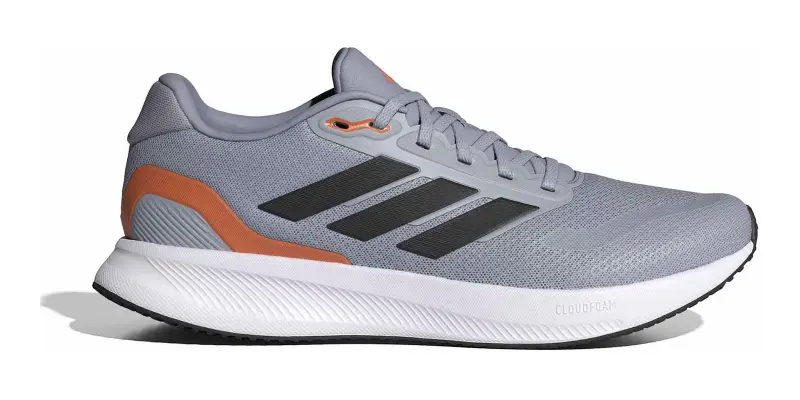

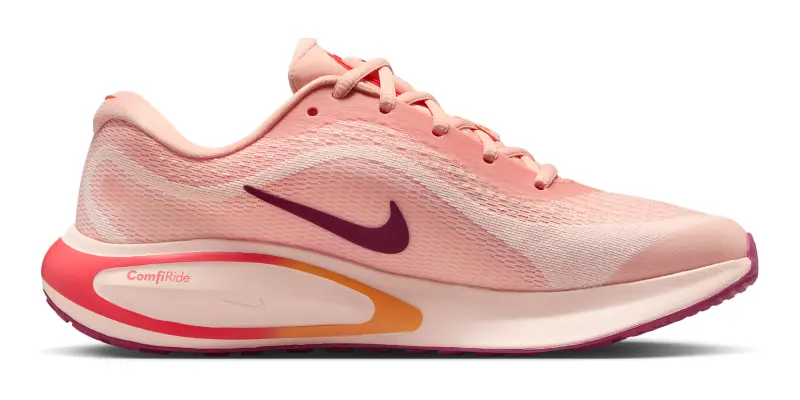
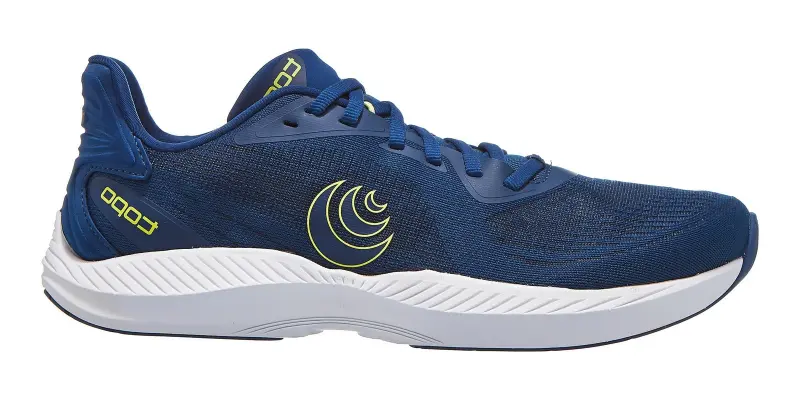
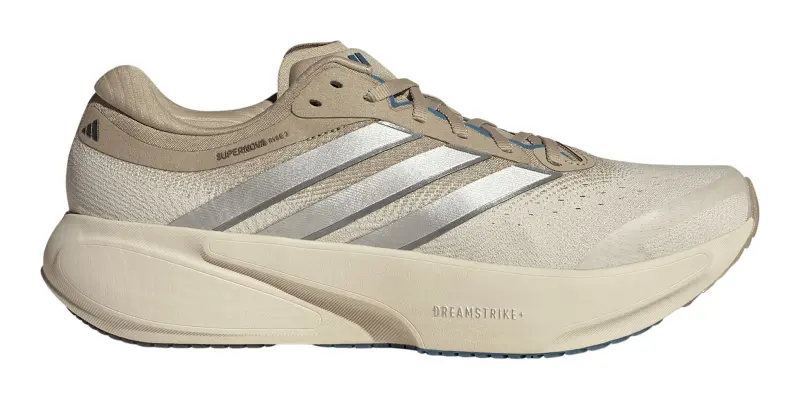
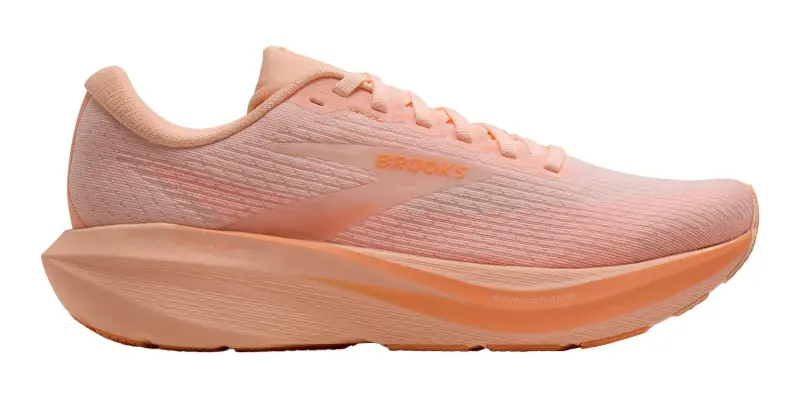
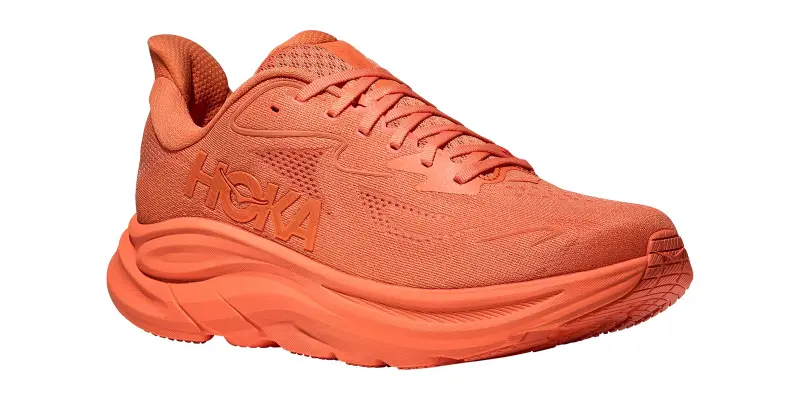
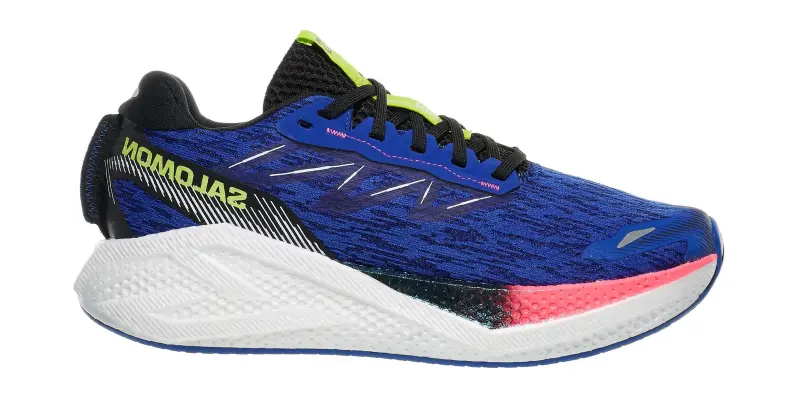
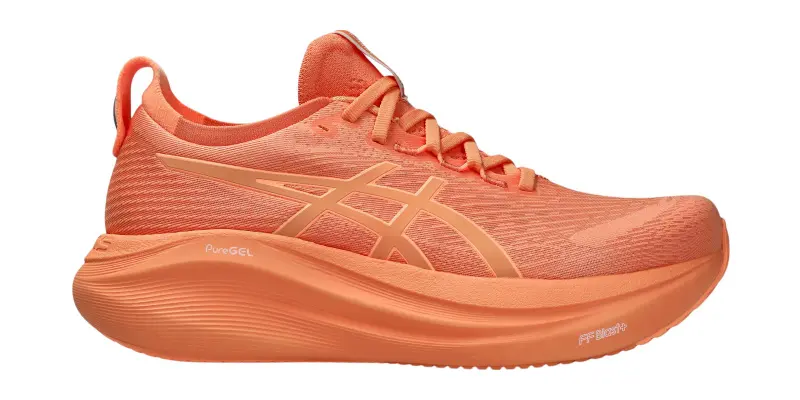
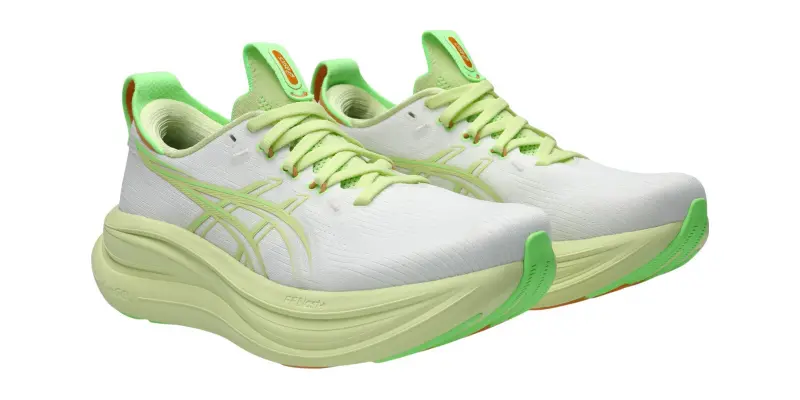
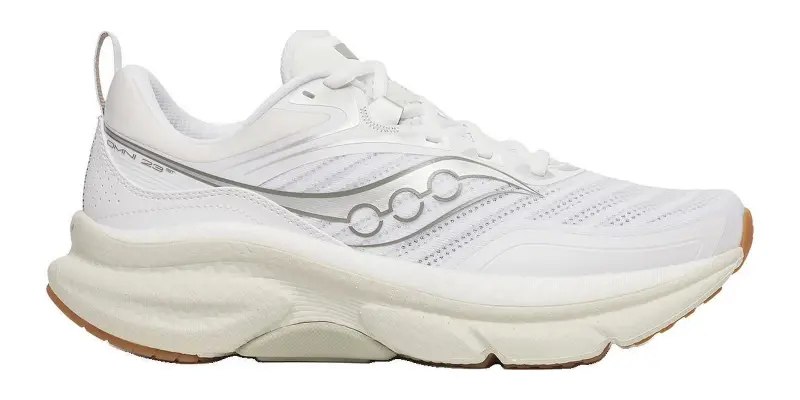
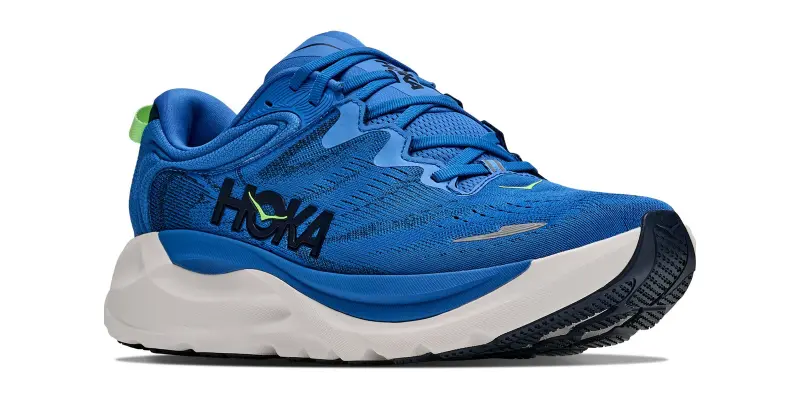
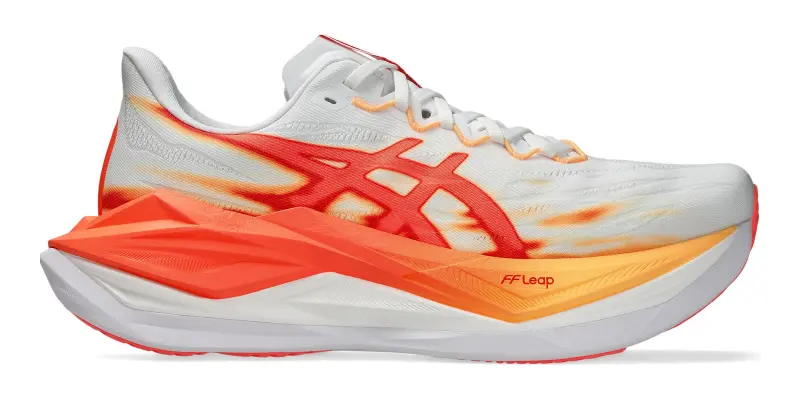
Everyday trainers rated 80 or better, across the price range, lowest MSRP first.
Running shoe prices have climbed since 2021. Adjusted for inflation, the median everyday trainer released in 2025 lists at about $150, up from about $119 in 2021, and the top of the everyday trainer market now sits well above $180. For this reason, it is useful for shoppers to know whether it makes sense to shell out for upmarket shoes or search for a better deal. In this article, we explore when spending more money on running shoes is likely to yield you a better shoe or when it makes sense to look down market.
All prices here are adjusted to 2025 dollars, so a shoe released in 2015 is compared at what its price would be today. The comparison covers everyday trainers only, since racing shoes and trail shoes are bought for different reasons and priced on different terms.
Price makes little difference to the typical shoe
The typical shoe rates about the same at every price. We broke down prices into three bands: $150 and under, over $180, and in between. Prices here are MSRP, the list price, not what a shoe sells for on sale. Everyday trainers in the cheapest band, $150 and under, rate a median of 75, against 75 in the $151 to $180 band and 76 above $180.
The best shoes in each band are also close: the 90th percentile runs from 91 in the cheapest band to 94 above $180. The clearest difference is at the bottom. 14% of the cheapest band and 16% of the middle band rate below 60, against 5% of shoes above $180.
The typical rating barely changes with price
Ratings of everyday trainers by price band. Each dot is one shoe, and the box covers the middle 50%.


Paying more does not buy a better typical shoe. It may modestly lower the chance of ending up in a poorly rated one, since the most expensive band holds fewer of them, but the differences are small and top-rated shoes exist in every price band.
Top-rated shoes are available at every price
Figure 2 shows shoes of all prices, with those rated 90 and above in the shaded band. This representation makes clear that high quality shoes are available across the entire price range of shoes. Likewise, poorly rated shoes are not confined down market.
Top-rated trainers are available at every price
Better Shoes Rating against list price for everyday trainers. The shaded band marks ratings of 90 and above.


Pricier shoes rate a little higher on most dimensions
Our reviewers rate each shoe overall and on several subdimensions, including a subjective judgment of its value. Ratings edge up with price on each quality dimension we collect, but only slightly. Cushioning moves most: a shoe costing $50 more gains about 0.17 stars there. Comfort, durability, and appearance move less.
Value is the exception. The same $50 costs a shoe about 0.12 stars on value, which is what Figure 3 shows: small gains on each quality dimension, and a loss on value.
Pricier shoes rate slightly higher, except on value
How much higher or lower runners rate the pricier shoe on each dimension, for shoes $50 apart in list price.


It is worth keeping in mind that perceived value feeds into how a runner scores a shoe overall, so a pricier shoe carries a small handicap unrelated to a shoe's objective quality. We cannot say how large that handicap is, only that it works against expensive shoes rather than for them.
Conclusion
Price says little about how good a running shoe is. The most expensive trainers include somewhat fewer poorly rated shoes, and they rate slightly higher on cushioning, but the typical shoe rates about the same at every price. Excellent shoes exist at every price point, so a shoe's rating is a better guide than its price, and our ratings provide one way of finding the good ones at any budget.
Our best deals pages rank shoes on sale by their rating and current price together.
Data are accurate as of October 13, 2026. Numbers may differ slightly as new reviews come in. We periodically update these articles to stay in sync.