Evidence-based buying guide for running shoes
How to maximize the chances your next shoe will be comfortable and leave you injury free.
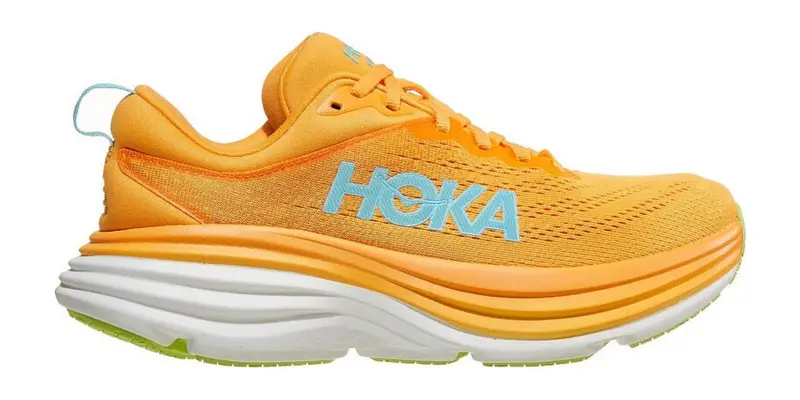

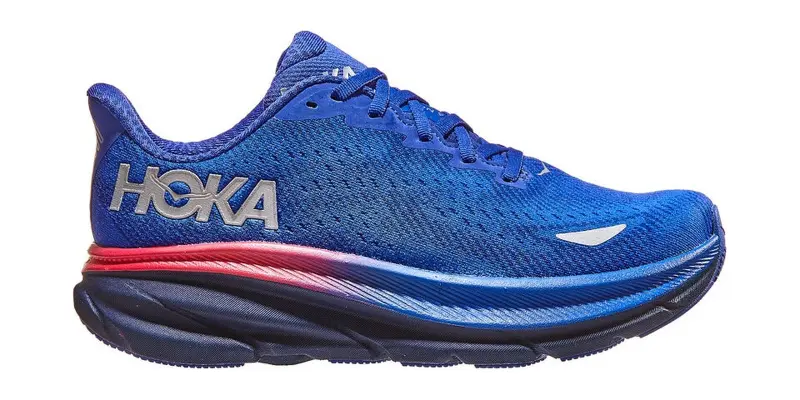
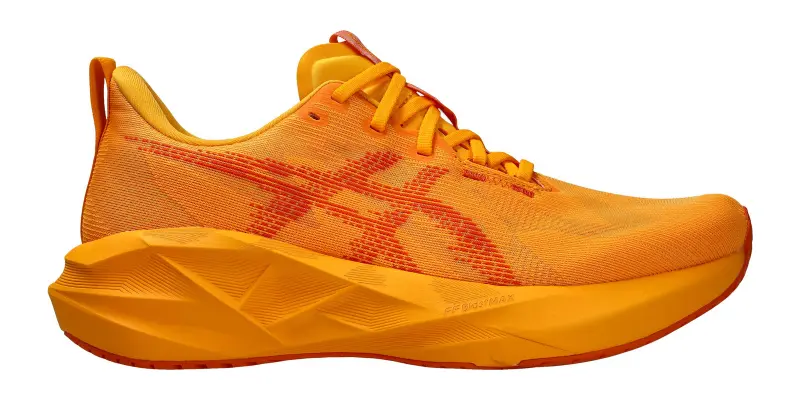
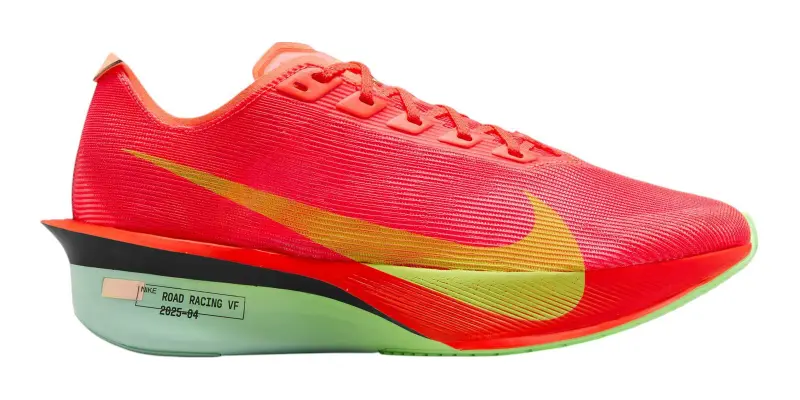
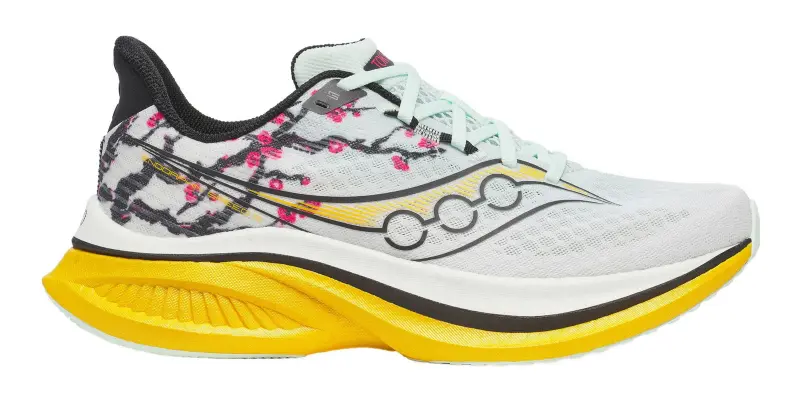
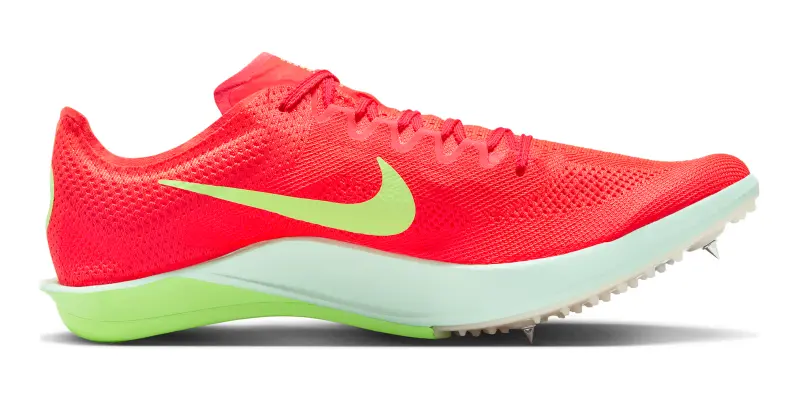
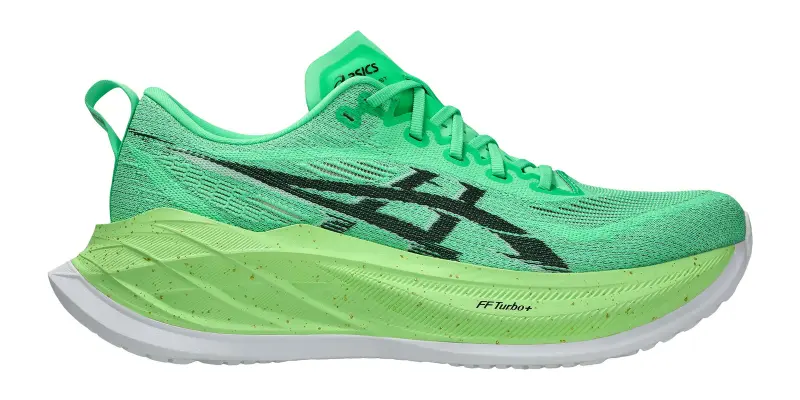
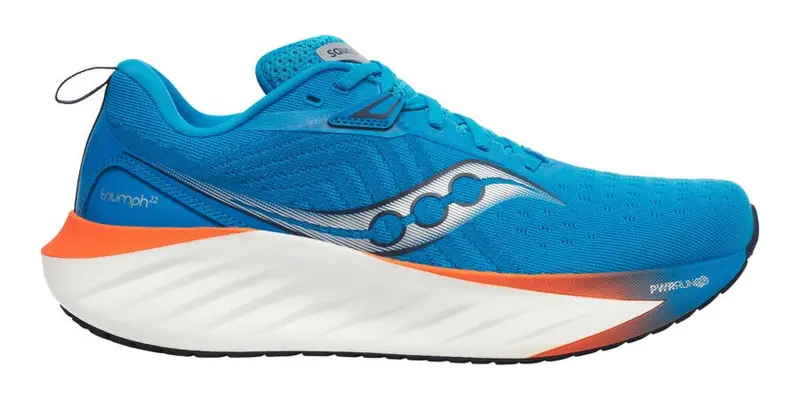
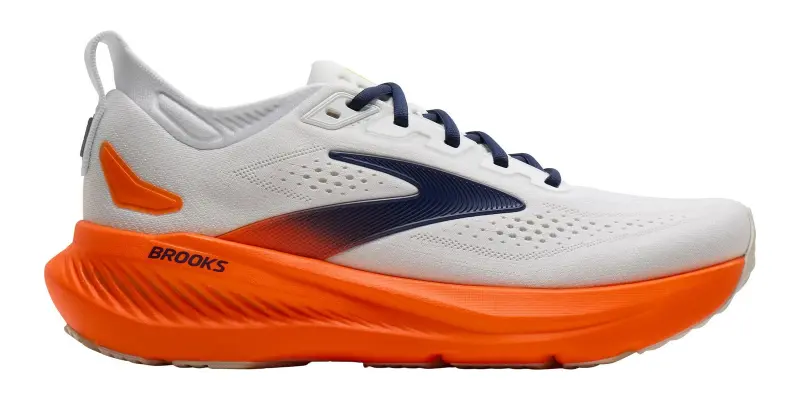
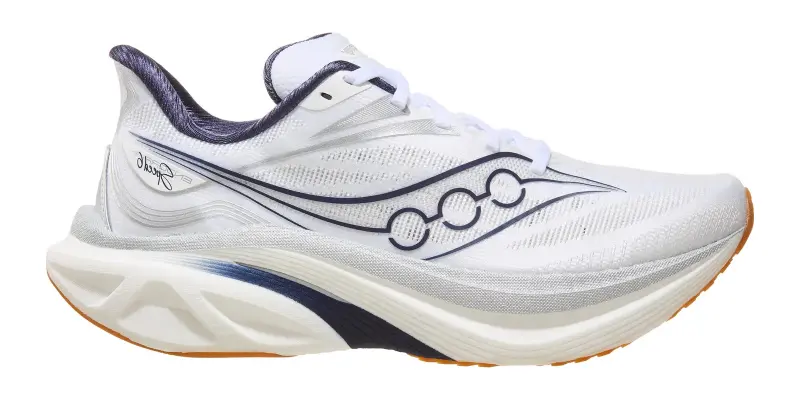
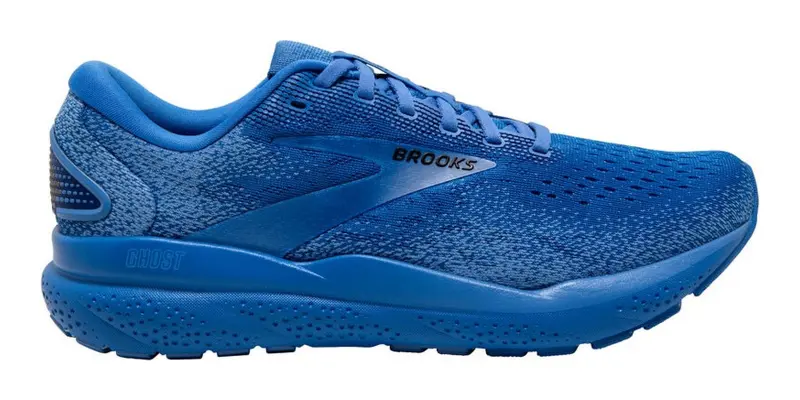
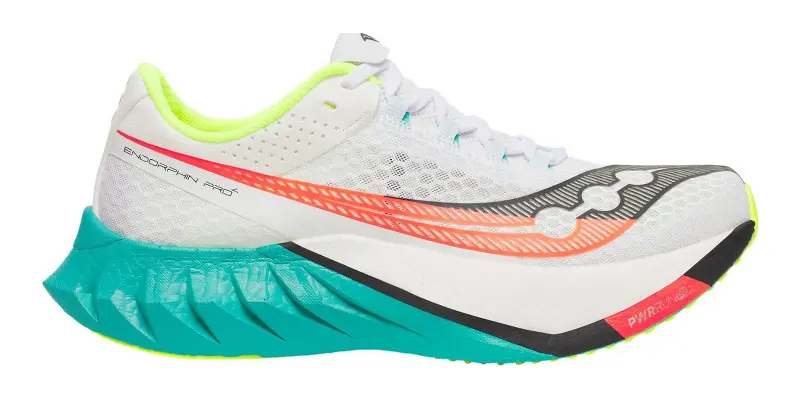
The top-rated shoes we track, and today's best prices on them.
Runners often find themselves in a situation where their current shoe has worked well for them but is starting to show its age. They must then find a new shoe, and often their preferred shoe is out of stock or has been replaced by a newer version.
Consider a couple of scenarios.
-
A novice runner is seeking out a high quality shoe. They've heard specialty shops can offer advice about which shoe to get given their biomechanics. Should they listen to the shops' advice or just buy a high-rated shoe?
-
A runner liked the HOKA Clifton 9, a top-rated shoe. The Clifton 11 was released and is well-rated by initial anonymous reviewers on retail sites, but there is not much data yet. Should they go for the Clifton 11 or a top-rated shoe from another company or product line?
This guide helps you navigate these questions.
In Short
Buy a highly rated shoe, and rebuy a shoe that already works when it is available. When it is gone, consider the next version in the same product line, judge quality by the rating rather than the price, and use comfort to choose among well-rated shoes. The shoe finder can help you find similar shoes, and the deals pages can help you find great deals.
Five principles for buying shoes
Based upon over a decade of studying our own data and the scientific literature on running shoes, we have developed five principles to follow when buying new running shoes:
- Buy a highly rated shoe.
- Rebuy the shoe that works when it is still on the market.
- Consider the next version in the same product line when your trusted shoe is out of stock.
- Judge quality by the rating rather than the price tag.
- Among shoes that rate well, choose the one that feels most comfortable.
Below, we explain the reasoning behind our principles, drawing on our review data set and the ratings our statistical model derives from it.
1. Buy a highly rated shoe.
When runners go to a running specialty store to shop for shoes, a clerk will often have them run or walk while they observe their stride, or even have the buyer run on a fancy treadmill that analyzes their gait. This is typically done in order to diagnose overpronation.
Overpronators are then often guided to a stability shoe. The problem with this approach is that overpronators do not rate stability shoes better than neutral shoes, as shown in Figure 1. In fact, overpronators are more likely to rate neutral shoes higher, a pattern that holds for every group of runners we track.
Runners of all pronation types rate stability shoes lower
Average ratings of neutral and stability shoes, by runner pronation.


To be clear, overpronators do report more injuries and are generally less satisfied with their shoes. We are not trying to argue that overpronation is not a real biomechanical phenomenon; it is, and it directly affects runners' satisfaction with shoes and their likelihood of injury. However, we have found that the data do not support buying stability shoes as a mitigation: no shoe in our catalog does measurably better with overpronators when tested statistically. This is why we do not publish a "best shoes for overpronators" list, though nearly every shoe site has one. Our detailed analysis of the relationship between pronation and stability shoes covers this question in full.
Pronation is not a special case. We ask for foot strike, mileage, weight, age, pace, sex, and injury history with each review, and none of these traits predicts which shoes a runner will rate highly. What does hold up is simpler: some types of shoes rate higher with everyone. When a shoe rates highly across the board, this provides the best evidence it is a high quality shoe. Our analysis of pronation and runner traits goes into more detail on this topic.
2. Rebuy the shoe that works when it is still on the market.
While buying top-rated shoes gives you the best chance at maximizing your satisfaction with a shoe, buying a shoe you already know works allows you to minimize regret. The best-rated shoes work well for most runners. But even the highest rated shoe will not be a perfect fit for all feet and strides. There is simply too much diversity among runners.
For this reason, we recommend that if the shoe you run in works and is still on the market, buy it again. Many runners seek novelty when it is time to replace a shoe and regret the choice when the new shoe fails to live up to expectations. You already know how the shoe fits and how it lasts. There is no guarantee a new, highly rated shoe will work for you, so we recommend sticking with what works.
3. Consider the next version in the same product line when your trusted shoe is out of stock.
Of course, over time your favorite shoe goes out of stock and you must find something new. In these cases, newer shoes in the product line are a good place to look. This advice is supported by data.
The product line is the most useful thing to know about a shoe you have not run in. Of everything our model can know about a shoe in advance, the brand accounts for only about 1% of variation in quality we can measure. Knowing the product line, however, explains about 44% of that same variation. (The rest of the variation is idiosyncratic to the shoe.)
Successive shoes in a product line are most similar to their immediate predecessors
Star ratings of versions one, two, and three generations apart, as raw review averages.


Figure 2 shows each version's average star rating compared to the previous revision. The upward slope means good versions tend to follow good ones: a version that rates in the top half of the catalog is followed by another top-half version 68% of the time, where chance alone would put it there half the time. Among all ratings, the correlation between a previous version and the current version is high -- about 0.53. Buying a new version of a shoe that works for you is by far the best way to ensure you will have a good experience in your next shoe.
Sometimes, however, new versions of a shoe are markedly worse. The Nike Pegasus scored 88 at version 36, but plummeted to 64 in version 37, one of the largest one-revision collapses in our data. Versions 38 through 41 rated between 70 and 74. Check the new version's rating before buying. Our individual shoe pages provide historical information about a shoe's product line, which can help you make an educated decision.
When the new version does not rate well, last year's is the fallback. Skipping one generation carries no penalty in our data, and buying an older version of a shoe when it is available works too: runners who switched to an older shoe rated it more favorably than the one they left. Last year's model is often the best buy available, since retailers discount it as they clear inventory.
Our analysis of product lines provides a detailed account of what can be learned from shoes' product lines.
4. Judge quality by the rating rather than the price tag.
More expensive shoes tend to be well-rated, but not all expensive shoes are good, and plenty of cheaper shoes are excellent. For example, everyday trainers at $150 and under have a median rating of 75, compared to a median of 76 for shoes above $180. What spending more money really buys is protection from bad shoes: 14% of trainers at $150 or under rate below 60, compared to only 5% above $180. Our article exploring whether expensive running shoes are better goes into more depth on this question.
5. Among shoes that rate well, choose the one that feels most comfortable.
Once you have a shortlist of well-rated shoes, comfort is a sensible way to choose among them. Comfort is one of the five sub-ratings we publish, so you can see how our reviewers found a shoe before you try it, and the written reviews cover fit and sizing in more detail.
There is also some evidence tying comfort to injury, from outside our own data. Among 527 recreational runners followed for six months, those who judged their shoes well-cushioned were injured less often than those who did not, and runners who liked their shoes overall showed a smaller version of the same pattern. The effect was clearest for perceived cushioning specifically. Runners were not assigned their perceptions in that analysis, so a developing injury may itself make a shoe feel worse, and the researchers are explicit that causation cannot be established.
How a shoe feels on your own foot is information our model does not have. Using it to guide your purchasing decisions is a far better basis for choosing than matching a shoe to your stride.
We earn money when you buy through our links, and the ratings are computed independently of that. See our affiliate disclosure. More detail: how we rate shoes and how we track prices.
Data are accurate as of October 13, 2026. Numbers may differ slightly as new reviews come in. We periodically update these articles to stay in sync.