Are lightweight running shoes better?
We study the benefits and drawbacks of lightweight trainers, which have exploded in popularity over the last decade.

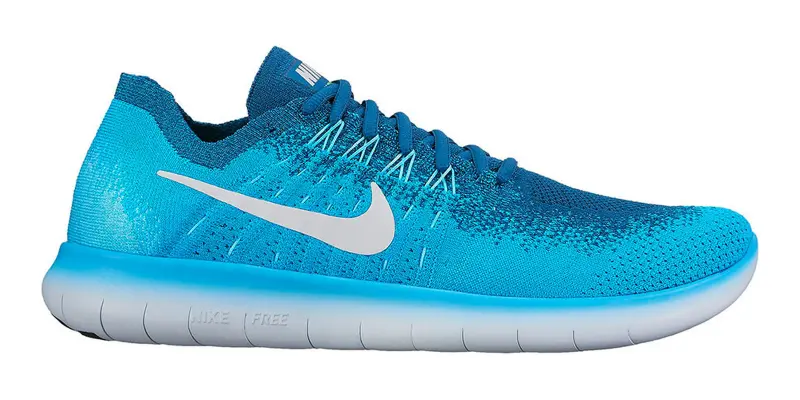


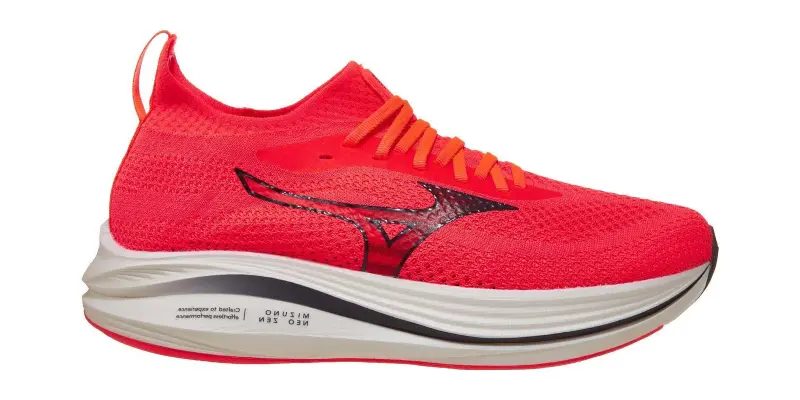


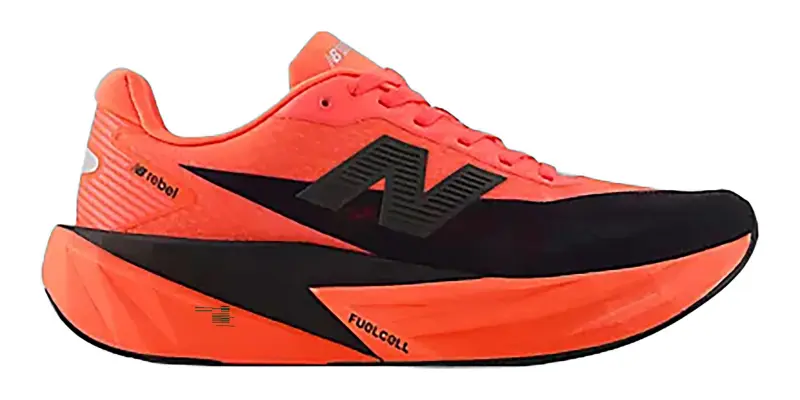
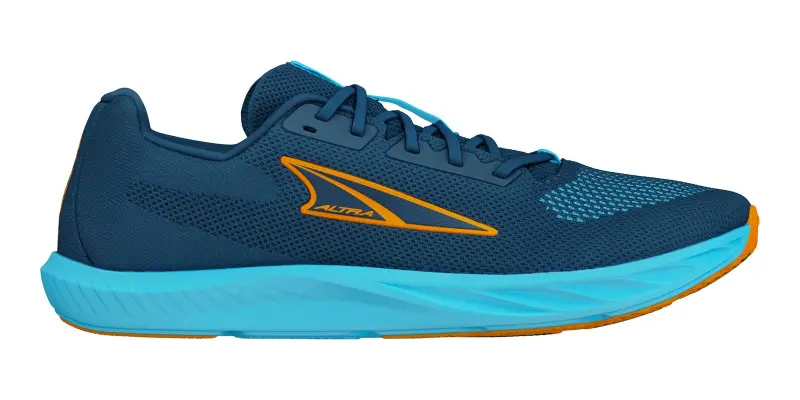

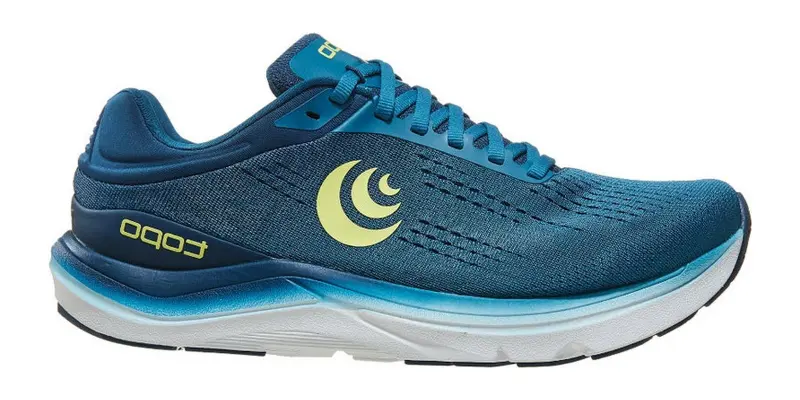

The top-rated lightweight trainers for sale, and their ratings.
Lightweight daily trainers have substantially grown in popularity over the last decade. We use our review data to test whether these newly popular shoes are rated better than heavier trainers by our reviewers. We then examine the trade-offs of buying a lightweight shoe over a bulkier one, with a focus on durability. This analysis covers daily trainers only, not supershoes or other racing shoes.
Runners like lightweight trainers
We split daily trainers in our database into four bands: super lightweight under 7 ounces, lightweight at 7 to 8, average at 8 to 10, and heavy above 10. We then compared the median rating of shoes in these bands. It is clear that runners prefer lighter weight shoes for their daily running. The average rating of shoes 8 oz. or lighter is 90.3. In comparison, shoes weighing between 8 and 10 ounces have a median rating of 75, while shoes over 10oz. do slightly better, at 78.Overall ratings of daily trainers, by weight band
Each dot represents one shoe. The gold line marks each band’s median Better Shoes Rating.


These benefits, however, come with a tradeoff: durability.
Durability increases as shoes get heavier
Durability climbs steadily through the four bands, as shown in Figure 2. Daily trainers under 8 ounces average 4.0 stars for durability, compared to 4.3 for heavy trainers.Durability ratings of daily trainers, by weight band
Mean durability rating by weight band.


Bulkier shoes definitely last longer than their lightweight alternatives.
Injury reports by weight band
We can also check the common belief that lighter shoes cause more injuries. We find that shoes in the most common lightweight range, 7-8oz, have identical injury rates to those in the 8-10oz. range.On the other hand, the injury rates among our super lightweight trainers are 5 percentage points lower than shoes in the 7-10oz. range. Moreover, shoes in the heaviest range have the highest rate of injury: 15%.
Injury reports by weight band
Share of daily-trainer reviews reporting an injury sustained in the shoe.


We have some skepticism of the 7% injury numbers. There are relatively few shoes in this band, and we use self-report to measure injury. Moreover, runners who choose heavier trainers differ from runners who choose lighter ones in mileage, body weight and training history, and those differences are plausible causes of higher injury rate in their own right. That said, our data run counter to the conventional wisdom that lightweight shoes pose an injury risk. It would seem injury risk is similar if not lower for lightweight trainers compared to heavier shoes. We find no support for the belief that lightweight trainers carry a higher injury rate.
Conclusion
Lightweight daily trainers rate higher overall and wear out sooner, and runners appear to happily make that trade-off.Data are accurate as of September 8, 2026. Numbers may differ slightly as new reviews come in. We periodically update these articles to stay in sync.